

Resources


Ameren Illinois Energy Efficiency Program
Save on energy costs by incorporating energy efficiency upgrades into your school. Incentives are available to help offset out-of-pocket costs.

Financial Support
Various federal, state and local grants and tax credits are available to help transition to clean energy.
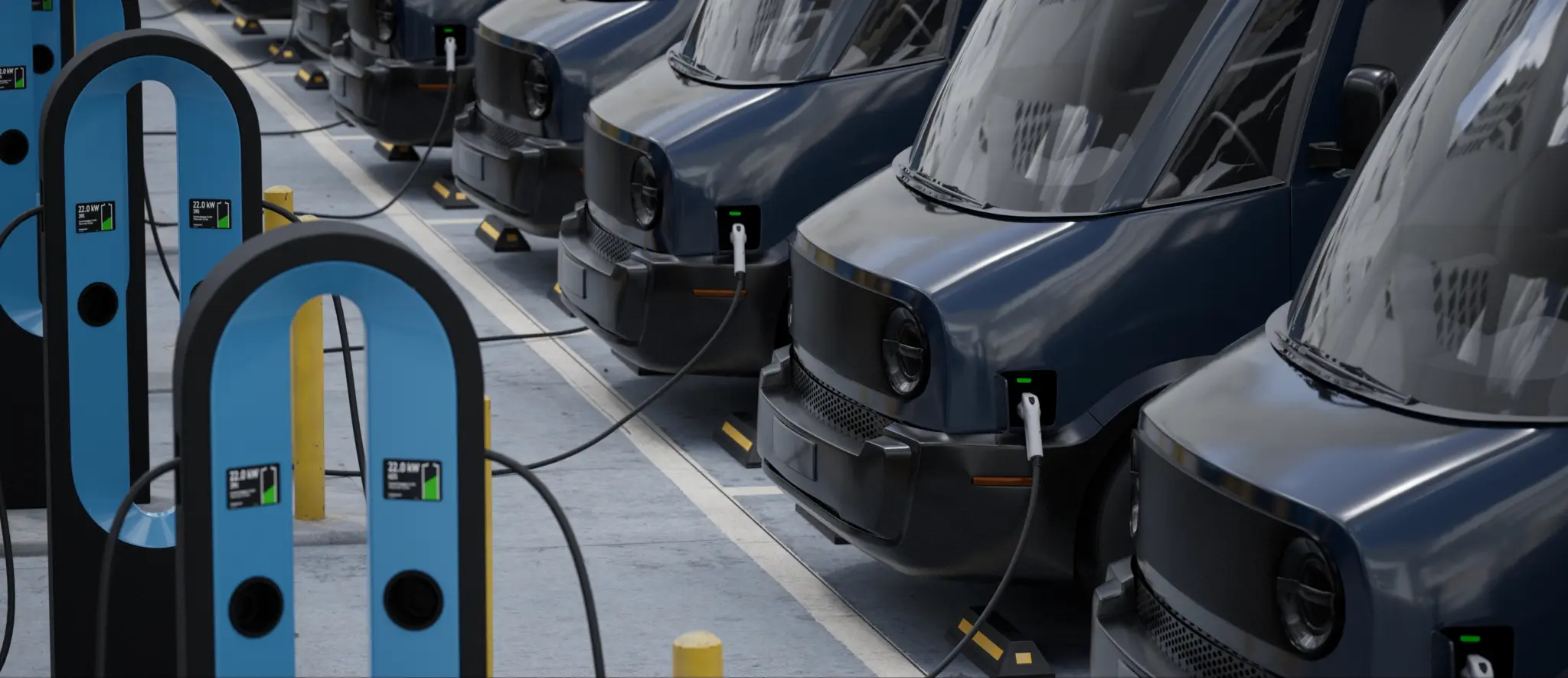
Fleet Assessment Program
Electric vehicles can help establish your school district as a leader in sustainability and innovation.
Ameren Illinois Business Demand Response Program
Earn payments for making targeted energy reductions during periods of peak demand, drive energy savings and help maintain reliable electricity throughout Ameren Illinois’ service territory.

Drivers Education
Explore our curriculum resources and financial assistance options to educate future drivers about Electric Vehicles (EVs) and their role in sustainable energy.

Grant Writing Support for Clean Energy Initiatives
We offer grant writing consultation to help identify potential clean energy grant opportunities. Additionally, our team will assist in developing a compelling grant proposal and a detailed budget.

Builder Operator Certification (BOC) Training Opportunities
BOC training is available for school maintenance staff to enable better facilitation of energy efficiency and maintenance projects and procedures.

Scholarship Opportunities
We partner with community colleges throughout the Ameren Illinois service territory to award scholarships to students to jumpstart their career in a field related to energy efficiency.
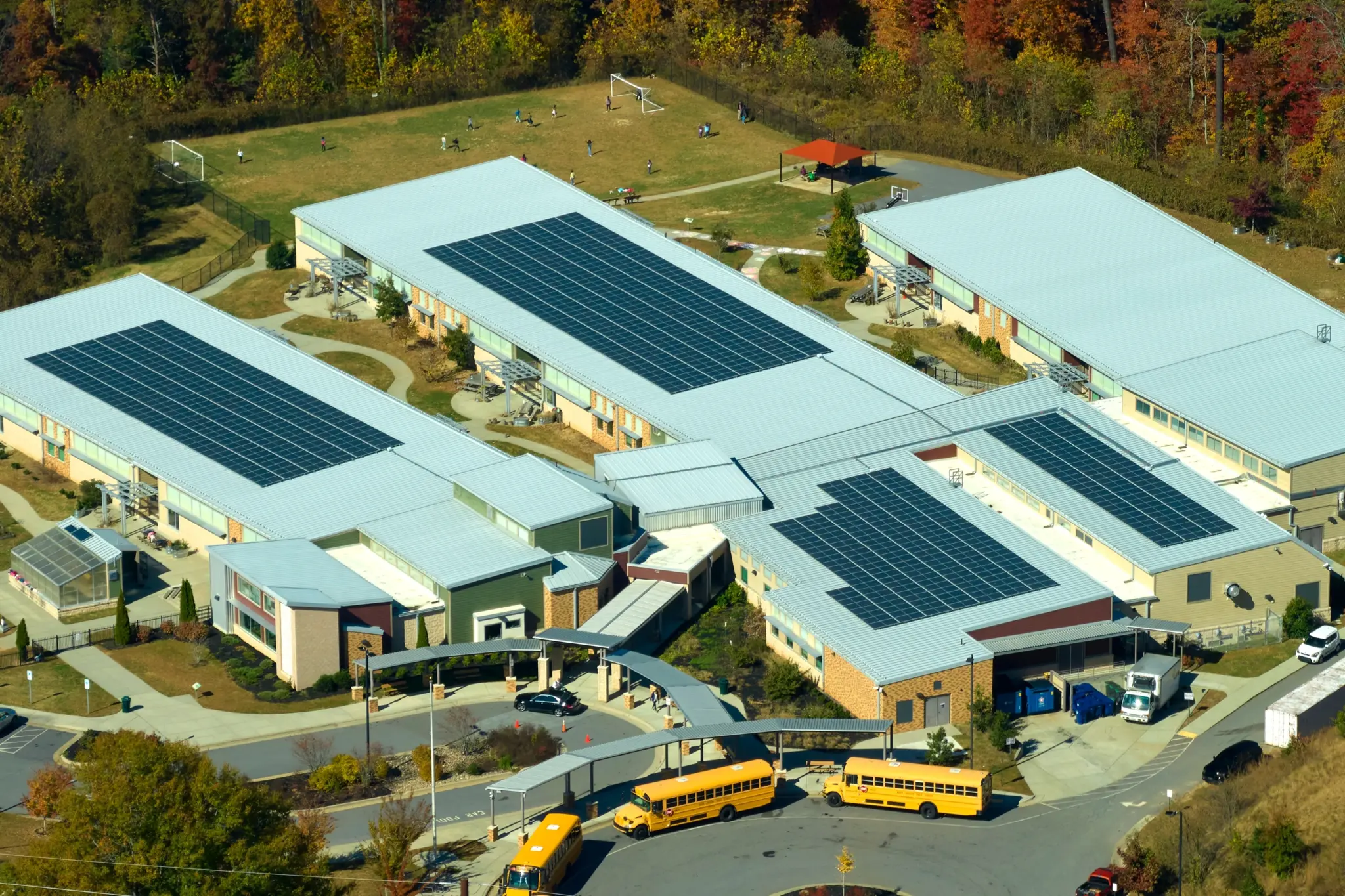
Solar Program
With new and emerging technologies, more people are searching for ways to utilize renewable resources to power their homes or businesses, help the environment and save money.
Public Schools Carbon-Free Assessment Financial Resources
Better Buildings Initiative - U.S. Department of Energy (DOE)
The Better Buildings Initiative is a comprehensive program offering schools access to tools, financing options, and strategies to improve energy efficiency. It supports energy-saving retrofits and sustainability projects for schools, including HVAC upgrades, lighting improvements, and building envelope enhancements. Schools can participate in the Better Buildings Challenge and gain access to technical support, resources, and guidance for implementing energy-efficient solutions.
Cash Flow Opportunity Calculator
The Cash Flow Opportunity Calculator helps inform strategic decisions about financing energy efficiency projects. Using the tool, you will be able to estimate how much new equipment you can finance using anticipated savings, as well whether you should finance now or wait for a lower interest rate. Use the CFO Calculator to get answers to critical questions, such as: 1) How much new energy efficiency equipment can be purchased from the anticipated savings? 2) Should this equipment purchase be financed now, or is it better to wait and use cash from a future budget? 3) Is money being lost by waiting for a lower interest rate?
CEJA Updates & Program Status - Illinois Department of Commerce & Economic Opportunity
CEJA Illinois – Climate & Equitable Jobs Act Updates and Program Status. Here you can see which CEJA Illinois Programs are currently accepting applications, and access links or contact information for the programs.
Center for Green Schools
USGBC’s Center for Green Schools has been the driving force behind the green schools movement by leading a wide array of initiatives, including in communications, advocacy, network-building, training, and the development of tools and platforms through which to accelerate action.
DSIRE
DSIRE is the most comprehensive source of information on incentives and policies that support renewables and energy efficiency in the United States. Established in 1995, DSIRE is operated by the N.C. Clean Energy Technology Center at N.C. State University and receives support from EnergySage.
Efficient and Healthy Schools Program
We invite you to join a growing network of schools, school districts, and supporting organizations in the Efficient and Healthy Schools Program. By participating, you will gain access to a range of resources and opportunities, including connections with technical experts who can provide guidance on practical solutions to improve energy performance, reduce costs, and promote a healthy learning environment in your school.
Electric School Bus Initiative
Get the tools you need for your electric school bus journey. The Latest Tools and Resources for School Districts: from funding and financing opportunities to charging options and deployment tactics, we’ve got school districts covered as you transition to clean, reliable electric school buses.
Electrification Tools for Schools - nbi (New Buildings Institute)
This resource page provides K-12 stakeholders with building electrification tools specifically designed for schools.
As districts across the country strive to create healthier, more sustainable learning environments, electrifying school buildings is a crucial step toward reducing costs, carbon emissions, and enhancing energy efficiency. Here, you’ll find practical resources, templates, funding information, and technical support to help your school navigate the path to electrification and decarbonization.
Energy Efficiency in K-12 Schools - US Environmental Protection Agency
K-12 school districts spend over $8 billion nationwide on energy costs each year. More than 30 percent of energy use goes to waste and ten percent can be saved by implementing low-cost measures. This page will help you learn how to assess your building’s energy efficiency, find financing, save energy, and earn recognition.
Energy Efficiency Revolving Loan Fund - Illinois EPA Office of Energy Funding Opportunities
The Energy Efficiency Revolving Loan Fund (EE RLF) provides flexible financing solutions to support energy efficiency and clean energy projects in Illinois. The program offers Bridge Loans to cover gaps between project completion and disbursement of federal or state incentives and Co-Lending/Participation Loads to support longer-term project financing. The fund is administered by the Illinois Finance Authority (IFA) and capitalized through a grant from the U.S. Department of Energy.
Energy Resource Center - University of Illinois Chicago
ERC’s extensive experience with public sector institutions has made it a premier outreach service provider (OSP) on energy efficiency incentives offered by state utilities to public schools. The ERC’s primary objective is encouraging k-12 schools to apply for energy efficiency incentives geared towards saving money on monthly energy bills, shrinking their carbon footprint, and modernizing in the process. The ERC guides the state’s public schools through the application process that often follows an initial no-obligation facility assessment, which highlights achievable measures for reducing energy consumption. The ERC’s staff engineers are a technical resource for school facility managers and administrative staff alike. Understanding that most schools operate under budgetary constraints, the ERC’s technical support balances the need for upgrading facilities with the ambition of lowering operating costs as a result of projects that ultimately ‘pay for themselves’.
ENERGY STAR - K-12 Schools
EPA’s free online ENERGY STAR Portfolio Manager® tool is the industry standard for measuring and tracking energy performance within commercial buildings. Nearly 25% of U.S. commercial building space is already actively benchmarking in Portfolio Manager, making it the industry-leading benchmarking tool.
ENERGY STAR - Portfolio Manager® tool
EPA’s free online ENERGY STAR Portfolio Manager® tool is the industry standard for measuring and tracking energy performance within commercial buildings. Nearly 25% of U.S. commercial building space is already actively benchmarking in Portfolio Manager, making it the industry-leading benchmarking tool.
EnergySense Resilience Center at The University of Illinois System
Incentives & Funding Opportunities
Federal Energy Management Program (FEMP)
The Federal Energy Management Program (FEMP) offers links to tools that can help agencies reduce energy use and meet federal laws and requirements. Tools include software, calculators, data sets, and databases created by the U.S. Department of Energy and other federal organizations.
Generation180 - Electrify Our Schools
Schools can teach us how to charge towards a brighter future with 100% clean energy. We are supporting K-12 schools to electrify their buildings and vehicles, power them with clean energy, and create energy resilient hubs for their communities.
Grant Writing Support
Grant Writing Support: Empowering Organizations to Secure Funding for Clean Energy Initiative offered by the Ameren Illinois Market Development Initiative (MDI)
Green Schools Alliance
Green Strides Resource Hub
The Green Strides School Sustainability Resource Hub offers access to free resources and webinars aligned with the three Pillars of the U.S. Department of Education Green Ribbon Schools (ED-GRS) recognition award.
Illinois EPA Office of Energy - Funding Opportunities
A list of funding opportunities on the Illinois EPA Office of Energy website. Links to other rebates and information as well.
Illinois Green Schools Project Compiled National Resources
We’ve compiled useful resources to help schools plan for climate action, take advantage of local and national opportunities, and utilize sustainability project ideas and guides.
Illinois Power Agency - Elective Pay
The Illinois Power Agency (IPA) is interested in ensuring that entities across Illinois leverage federal tax credits for their solar and other clean energy projects, including by using Elective Pay to reimburse up to 30% or more of project costs. To further that goal, the IPA will be conducting outreach and providing education and technical assistance on this new opportunity for tax-exempt entities. Starting in Fall 2025, IPA will host webinars for Elective Pay-eligible entities and Approved Vendors to provide detailed information on qualification, compliance, and filing.
Illinois Shines Renewable Energy Credits
Brand name of the Adjustable Block Program, a state-administered program for new solar photovoltaic systems. The program provides payments in exchange for 20 years of Renewable Energy Credits (RECs) generated by new PV systems on site.
Illinois Solar for All
This state program aims to make solar energy accessible to income-eligible residents, non-profit organizations, and public facilities. Participants can benefit from affordable solar installations, community solar subscriptions, and guaranteed savings on electric bills. The program ensures that ongoing costs do not exceed 50% of the energy generated by the solar projects.
Illinois Resources General
General resources regarding state clean energy policies, incentives, and utilities.
Indoor Air Quality Tools for Schools
Promote a healthy learning environment at your school to reduce absenteeism, improve test scores and enhance student and staff productivity.
LibGuides - University of Illinois Urbana-Champaign University Library
A complete list of U of I Urbana-Champaign University Library resources for making school buildings more energy efficient and incorporating energy efficiency and renewable energy into school curriculum.
National Center on School Infrastructure (NCSI)
Every child should have access to a great learning environment. But today, many communities face the complex challenge of modernizing aging and deteriorating public schools. The National Center on School Infrastructure (NCSI) is a national resource hub. We connect people, resources, and ideas so that state and school district leaders across the country can develop and implement solutions to modernize their school buildings and grounds.
National Energy Education Development Project (NEED)
Working with education and energy advisors, NEED designs and delivers professional development opportunities for teachers that not only educate, but also energize their classrooms. Teachers and students participate in pre and post knowledge assessments during workshops and in the classroom.
New Buildings Institute's Building Decarbonization Roadmap
The Decarbonization Roadmap Guide is written for those interested in healthy, efficient, carbon neutral school design, construction and operation. It outlines achievable goals that result in healthy, affordable, all-electric facilities, and explains common actions taken by leading districts to operationalize their carbon neutral ambitions. The guide links to resources and templates that can be customized locally.
Private Activity Bonds - Grid Resilience
Illinois Finance Authority has statewide authorization to issue tax‑exempt qualified private activity bonds to fund qualified purposes. Qualified purposes for 501(c)(3) organizations generally include facilities such as hospitals, healthcare systems, continuing care retirement communities, universities, colleges, PreK-12 schools, student housing, museums and cultural institutions.
Office of Energy Dominance Financing
The U.S. Department of Energy’s Office of Energy Dominance Financing (EDF) is committed to financing American energy and manufacturing projects that meaningfully contribute to U.S. energy security, grid reliability, and lowering costs for all Americans. Under the Trump Administration, EDF empowers the private sector to invest in the future, help win the AI race, strengthen American industry, and restore American Energy Dominance.
Qualified Commercial Clean Vehicle Tax Credit
Tax credit for qualified commercial clean vehicles purchased on or after January 1, 2023. To qualify, the vehicle must have a gross vehicle weight rating of less than 14,000 pounds and have a battery rating of not less than 7 kilowatt hours.
School Construction Grant
Contributes to the cost of building or renovating public school buildings, based on enrollment and needs of the district. The program historically has covered between 35% and 75% of the cost to build or renovate buildings.
School District Energy Efficient Indoor Air Quality Management Plan Toolkit - US Green Building Council Inc
Thanks to the Inflation Reduction Act’s “elective pay” (often called “direct pay”) provisions, tax-exempt and governmental entities will, for the first time, be able to receive a payment equal to the full value of tax credits for building qualifying clean energy projects. Unlike competitive grant and loan programs, in which applicants may not receive an award, direct pay allows entities to get their payment if they meet the requirements for both direct pay and the underlying tax credit.
Spark Good Local Grants - Walmart
Walmart believes that investing in local communities strengthens our business as well as the communities we serve. Local grants are designed to support local organizations that meet the unique needs of the communities where we operate, build pride among all associates, and deepen relationships with our customers. Each year, Walmart U.S. stores, Sam’s Clubs and Distribution Centers award local cash grants ranging from $250 to $5000.
U.S. Department of Energy – School Efficiency Enhancement Guides
If your school is looking to replace a chiller, boiler, rooftop unit, or building controls, DOE recommends consulting the newly released school efficiency enhancement guides from DOE and Lawrence Berkeley National Laboratory. The guides contain information on energy-efficiency measures that you can take in conjunction with the four identified upgrades your school is already making. Schools can consult the guides to find performance requirements for energy efficiency, energy savings, and implementation costs to support school facilities staff involved with the planning, design, and specification of infrastructure upgrades.
U.S. Department of Energy – Loan Guarantee Program
The U.S. Department of Energy Loan Guarantee Program, administered by the Loan Programs Office (LPO), offers loans and loan guarantees to support the deployment of innovative clean energy, advanced transportation, and tribal energy projects across the United States.
Start Your Clean Energy Journey Today
Now is the time to take advantage of this FREE opportunity. To schedule your FREE Carbon-Free Assessment, complete the Enrollment Form using the link below. A member of our team will follow up with you regarding the first step to take toward a healthier environment for future generations.